
The Future of B2B Marketplaces in India: Trends to Watch in 2026
B2B e-commerce in India is growing 50%+ annually. Here's what's driving this growth and what businesses need to know to stay competitive.
India's B2B e-commerce market is projected to reach $200 billion by 2026. This isn't just large enterprises going digital—it's the entire supply chain reinventing how business is done. Here's what's shaping the future.
Market Size and Growth Drivers
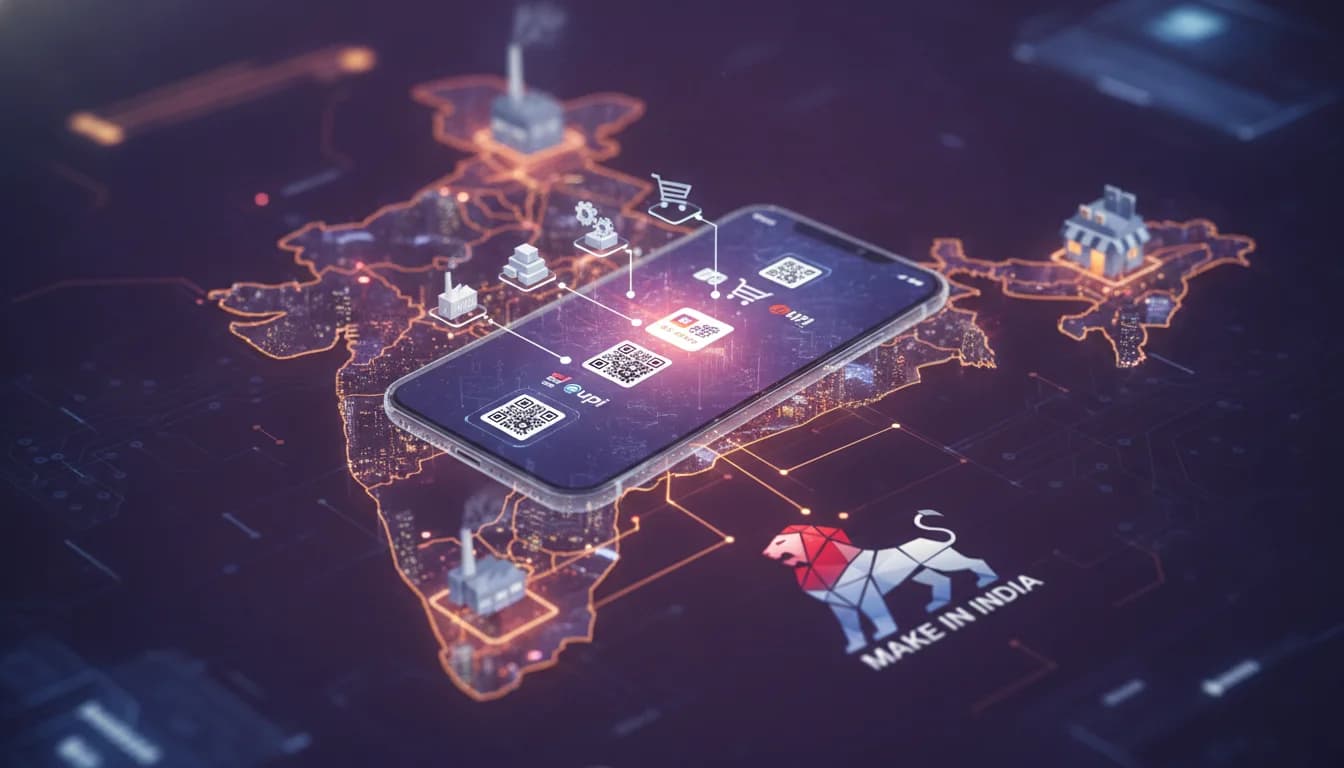
The Indian B2B e-commerce market grew from $50 billion (2020) to $120 billion (2025). Key drivers include: smartphone penetration in tier 2-3 cities, UPI payments enabling frictionless transactions, government push for digital India, and a generation of business owners accustomed to online shopping.
Trend 1: Vertical-Specific Marketplaces
Horizontal platforms like IndiaMART serve many industries with generic listings. Vertical marketplaces (like Cartigram Commerce for manufacturing/retail) offer industry-specific workflows, terminology, and compliance requirements. They capture higher transaction value per user.
Trend 2: Integrated B2B Ecosystems
Modern B2B buyers want more than listings—they want complete solutions. This means B2B platforms now include: inventory management, credit facilities, logistics, and GST invoicing. The platform becomes an operating system for the business.
Trend 3: AI-Powered Matchmaking
Finding verified suppliers and buyers is still time-consuming. AI now matches businesses based on order history, location, product specs, and creditworthiness. This reduces the 40+ calls typically needed to close a new B2B relationship to a handful.
Trend 4: Rural and Tier 2-3 City Adoption
Urban India already has B2B digital adoption. The next wave is smaller cities: manufacturing hubs like Ludhiana, agricultural markets in Punjab, textile clusters in Gujarat. Mobile-first, vernacular language support, and simple UX are critical for this audience.
Trend 5: Trust Infrastructure
B2B requires more trust than B2C: larger orders, longer payment terms, quality verification. New trust mechanisms emerging: AI-verified business credentials, escrow payments, dispute resolution, and reputation scores based on transaction history.
Challenges Remaining
- Payment terms: Indian B2B still relies heavily on credit. Digital financing (vendor credit, bill discounting) is growing but not yet mainstream.
- Data fragmentation: Many businesses still use paper or Excel. Digital adoption at the last mile is slow.
- Integration: Legacy ERP systems don't easily connect to modern B2B platforms.
What Businesses Should Do Now
If you're not on a B2B platform, your competitors are. Start with one platform, one product category, and learn. Build your digital reputation through verified transactions. By 2028, not having a B2B digital presence may be as limiting as not having a website was in 2015.
Get the latest articles delivered to your inbox.
Related Articles

5 Signs Your Indian Business Needs a B2B E-Commerce Platform
If you're still managing B2B orders through WhatsApp and Excel, you're leaving efficiency and revenue on the table. Here are 5 clear signs it's time to upgrade.
Custom Software Development vs Off-the-Shelf Solutions: Which is Right for Your Business?
Most businesses start with off-the-shelf software, but as they grow, custom solutions often become necessary. Here's how to decide which approach is right for your business.
How to Choose the Right ERP System for Your Indian SME
ERP systems promise unified business management but come with significant investment and implementation effort. Here's how to evaluate and choose the right ERP for your SME.
Productivity Tools for Remote Teams: What Actually Works in 2026
The remote work boom created thousands of productivity tools. Most don't deliver. Here's what actually helps distributed teams collaborate effectively.
Enjoyed this article?
Subscribe to our newsletter and get the latest insights delivered straight to your inbox. Join over 10,000 subscribers.
No spam, unsubscribe at any time. We respect your privacy.