
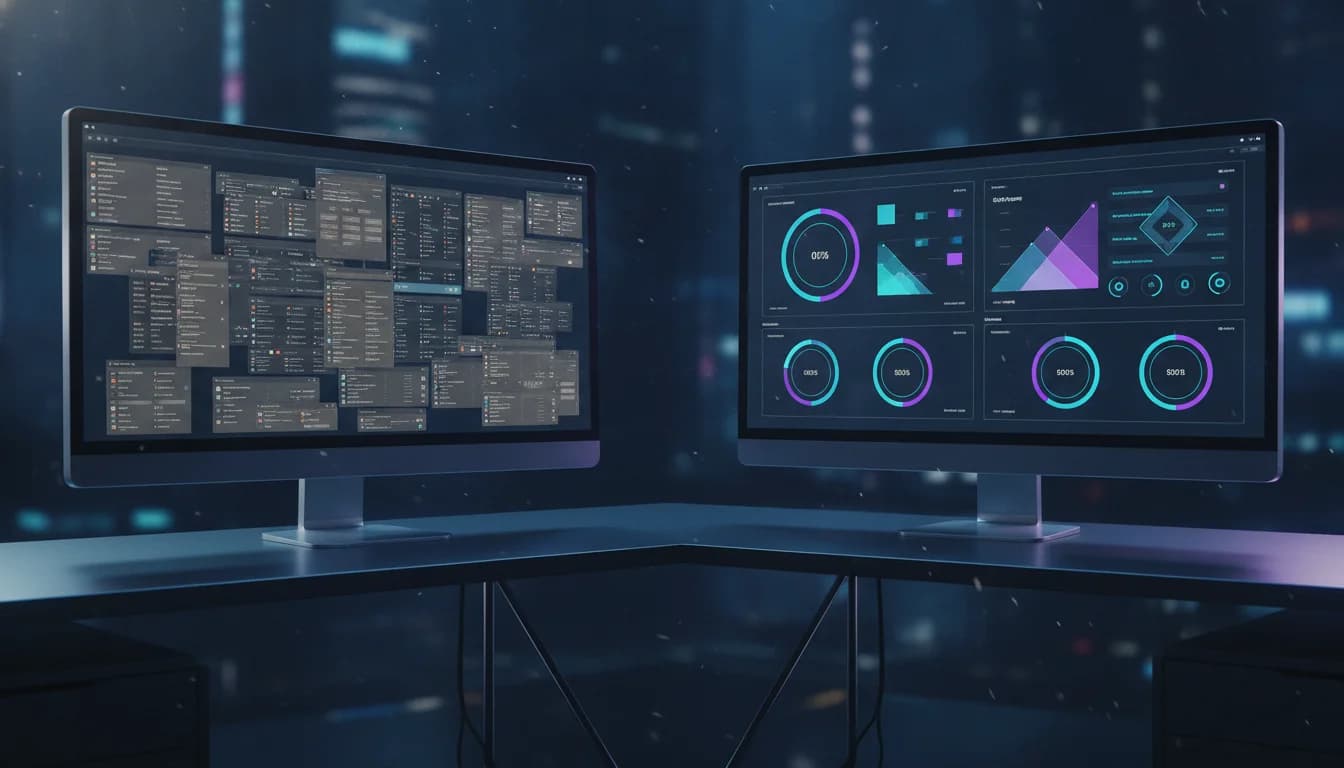
Custom Software Development vs Off-the-Shelf Solutions: Which is Right for Your Business?
Most businesses start with off-the-shelf software, but as they grow, custom solutions often become necessary. Here's how to decide which approach is right for your business.
Most Indian businesses start with off-the-shelf software because it's quick to deploy and seems cost-effective. However, as operations scale, the limitations become apparent. This guide explains the key differences and helps you decide.
What is Off-the-Shelf Software?
Off-the-shelf software (OTS) is a ready-made solution designed for a broad market. Examples include Tally for accounting, Zoho for CRM, or Shopify for e-commerce. You pay a subscription, install it, and use it as-is.
What is Custom Software Development?
Custom software is built specifically for your business processes. A custom development company like Cartigram analyzes your workflows and builds software that matches exactly what you need.
Key Differences
- Cost: OTS has ongoing subscription costs; custom has one-time development cost but lower long-term TCO
- Flexibility: OTS has limited customization; custom adapts to your processes
- Integration: OTS may not connect to your existing tools; custom integrates with everything
- Scalability: OTS may have user or feature limits; custom scales with your growth
When to Choose Off-the-Shelf
Choose OTS software when: you have standard processes, limited budget, need quick deployment, or lack internal IT staff. Small businesses with 5-20 employees often fit this category.
When to Choose Custom Development
Choose custom development when: your processes are unique, you need specific integrations, you're outgrowing OTS limitations, or you want a competitive advantage through technology. Businesses with 50+ employees or complex workflows typically benefit most.
Hybrid Approach
Many businesses use both: standard tools for generic functions (email, accounting) and custom software for core business processes. Cartigram often builds custom e-commerce platforms that integrate with existing Business OS systems.
The Indian Business Context
Indian SMBs face unique challenges: GST compliance, multi-state operations, Hindi-English workflows, and relationship-based business networks. Custom software handles these better than generic global solutions designed for Western markets.
Conclusion
If your business processes are unique, you're losing productivity due to software limitations, or you need competitive differentiation, custom software development is the better long-term investment. The initial cost is higher, but total cost of ownership over 5 years is often lower than ongoing subscriptions.
Get the latest articles delivered to your inbox.
Related Articles

5 Signs Your Indian Business Needs a B2B E-Commerce Platform
If you're still managing B2B orders through WhatsApp and Excel, you're leaving efficiency and revenue on the table. Here are 5 clear signs it's time to upgrade.

How to Choose the Right ERP System for Your Indian SME
ERP systems promise unified business management but come with significant investment and implementation effort. Here's how to evaluate and choose the right ERP for your SME.
The Future of B2B Marketplaces in India: Trends to Watch in 2026
B2B e-commerce in India is growing 50%+ annually. Here's what's driving this growth and what businesses need to know to stay competitive.
Productivity Tools for Remote Teams: What Actually Works in 2026
The remote work boom created thousands of productivity tools. Most don't deliver. Here's what actually helps distributed teams collaborate effectively.
Enjoyed this article?
Subscribe to our newsletter and get the latest insights delivered straight to your inbox. Join over 10,000 subscribers.
No spam, unsubscribe at any time. We respect your privacy.